You've got your test result. Positive. Chlamydia. Maybe you swallowed hard for a second, maybe it wasn't much of a surprise. Either way: take a deep breath. Because here's the short version of everything that follows: chlamydia is completely curable. One antibiotic, a few days, done. By getting tested, you did the right thing, and now it's just about taking the next step.
So what exactly is chlamydia?
Chlamydia, caused by the bacterium Chlamydia trachomatis, is the most common bacterial STI in Germany. Every year, hundreds of thousands of people here get infected, and most of them have no idea. That's down to one awkward feature of this infection: in most cases, it simply causes no trouble at all. No pain, no discharge, no sign. If you don't test regularly, you often carry the infection around for months, passing it on without knowing.
Do you even notice anything?
Usually not. Around 70 to 80% of infected people have no symptoms at all. When symptoms do show up, they can include:
Burning or pain when peeing
Unusual discharge from the penis, vagina, or anus
Pain in the lower abdomen or testicles
Bleeding between periods
Redness or irritation around the anus
A lot of this could point to other things. And with no symptoms, it points to nothing at all. That's why testing isn't a precaution for the anxious, it's simply the only way to know for sure.
Why should I take this seriously?
Because chlamydia, left untreated over a longer period, can cause damage you won't feel until it's too late. In people with a uterus, an untreated infection can lead to inflammation of the fallopian tubes, in the worst case with lasting consequences for fertility. In people with testicles, it can cause inflammation of the epididymis. On top of that, an active chlamydia infection raises the risk of catching other STIs, including HIV.
That sounds like a lot. But it only is if you do nothing. And you're already doing something.
What happens now? The next steps
Start treatment Chlamydia is treated with antibiotics, either as a single dose or spread over seven days, depending on the medication. Which one is right for you is decided by your healthcare provider. The treatment is straightforward and well tolerated.
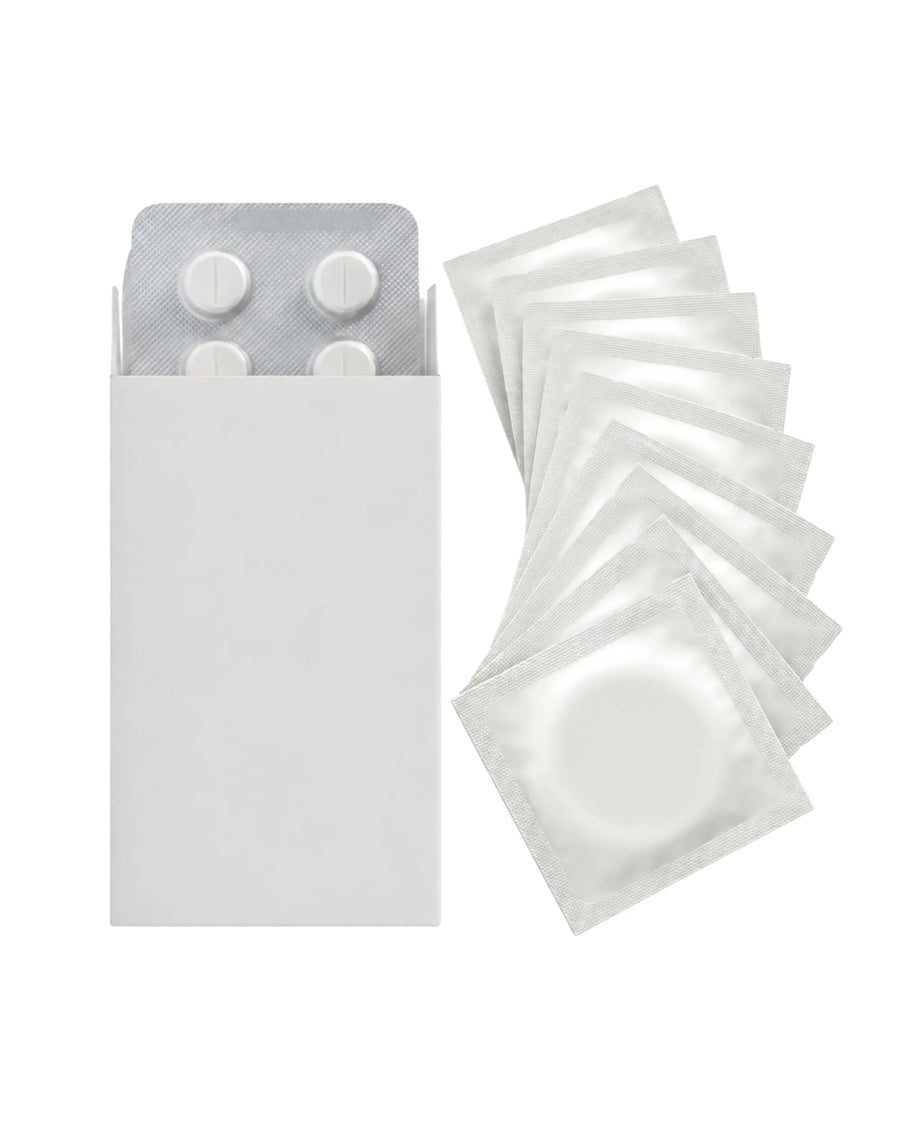
Pause sex Until you and your sexual partners have finished treatment, you should avoid sex or at least use condoms consistently. Even without symptoms, you can pass the infection on.
Tell your sexual partners This is the part most people least want to deal with. But it matters. Anyone you've had sex with in the past three to six months should know, so they can get tested and treated if needed. You can bring it up directly or use one of the anonymous notification tools made for exactly this.
Get a follow-up test After treatment, a follow-up test is recommended, usually three to four weeks after you finish the course. That way you know for sure the infection has cleared. This is especially important during pregnancy.
How do I protect myself going forward?
The combination that works best: regular testing plus condoms. Condoms protect well, but not completely. Chlamydia can also be passed on through direct skin-to-skin contact, which a condom doesn't cover. So the rule is: test at least once a year, or every three to six months if you have multiple partners.
Another option that's becoming increasingly important is post-exposure prophylaxis, or PEP for short. The idea: an antibiotic taken within 72 hours of a sexual encounter with possible STI risk can significantly lower the risk of a chlamydia infection, as well as syphilis and gonorrhea. Studies show that infection rates can drop significantly with regular use. PEP is no cure-all and no substitute for testing, but it's an effective addition for people with a higher risk of exposure. You can find out more about it through our Plan D.
The key takeaways
Testing positive for chlamydia is not a big deal. It's a diagnosis that can be treated, quickly, simply, and completely. You've already taken the most important step. Now it's about seeing it through.