
Chemsex is usually either ignored completely or talked about as a warning, and neither of those does much for someone standing in a stranger's flat on a Saturday night, deciding one way or the other.
So this piece starts from what happens anyway. People take drugs and have sex while they do. The more useful question is how the risk around that can be kept smaller, and that is what this is about, without judgement and without any attempt to talk you out of anything.
What we're actually talking about
Chemsex describes sex under the influence of certain drugs, usually over many hours and often in groups. The substances involved are typically crystal, GHB or GBL, mephedrone and related cathinones, and ketamine, frequently several of them in the same night.
It's rarely a single substance that makes things risky. It's more the circumstances that pile up over the course of the night: sessions stretching across days, barely any sleep, changing partners, a sense of time that slips completely at some point, and a setting where agreements are harder to make than in everyday sober life. Safer use is about all of those things.
The three things that make the biggest difference
If you skip the rest, please take these three with you.
Try not to use on your own. The vast majority of emergencies end well because someone was in the room and reacted in time. If you're on your own anyway, tell at least one person where you are and when you'll be in touch again, so that somebody is in a position to check on you.
Don't mix things that amplify each other. It's nearly always combinations that turn critical, and the most dangerous of all is anything sedating taken together, so GHB or GBL with alcohol, with ketamine or with sleeping pills. That's the route most people take into an unconsciousness that looks like sleep from the outside and therefore gets recognised as an emergency far too late.
And with GHB or GBL, don't redose because you feel nothing after the first one. There is so little between a dose that works and a dose that's too much that redosing has become the most common cause of serious incidents: both doses then come up together and not enough turns into far too much within minutes. A timer on your phone is considerably more reliable here than your sense of how much time has passed.
When it gets serious
Most people skip this section. It's still the most important one, because when it actually happens nobody has time to look it up.
A situation is critical when someone stops responding, snores unusually loudly or with a rattle, breathes shallowly or irregularly, goes blue around the lips, has a seizure or vomits while lying down. If you notice any of that, assume it's serious.
- Speak to them loudly and shake them by the shoulder.
- If there's no response, call 112 straight away instead of waiting to see whether things improve on their own.
- If they're breathing, put them in the recovery position so they can't choke on their own vomit.
- If they're not breathing, start chest compressions and keep the emergency operator on the line, because they'll talk you through it step by step.
- Stay with them until the ambulance crew takes over.
Tell the paramedics honestly what was taken, even if that feels uncomfortable in the moment. The ambulance service is there to treat people rather than investigate them, and everything discussed is covered by medical confidentiality. Staying quiet out of fear of consequences risks the wrong treatment instead.
The most dangerous response is waiting. People die in GHB emergencies again and again because everyone else in the room hoped it would sort itself out.
Before the session
Most of what goes wrong on a long night can be cushioned in ten minutes beforehand. Tell someone where you are, roughly how long it's meant to last and when you'll be back in touch. Eat something proper first, because you'll probably forget to over the next few hours and a full stomach slows how quickly things come up. Put water out instead of alcohol and then actually drink it, since dehydration is one of the most common problems on long sessions.
Lay out what you need as well, so condoms, plenty of lube and your own kit. Anything within reach will get used later on, while things you'd have to go looking for usually just get skipped.
And work out your limits while your head is still clear: what you want, what's off the table for you and where it stops. That decision is far easier to make sober than in the middle of the night. If you're on PrEP or on HIV treatment, set an alarm for your doses too. Over two or three days it's easy to miss several of them, and your protection goes with them.
During the session
Use your own kit and don't pass anything on, whether that's straws, pipes or syringes. Hepatitis C also travels via things that feel entirely harmless at the time, a shared straw being the obvious example. If anyone is injecting, that goes double: use sterile equipment from your own pack only, because HIV and hepatitis C are passed on very efficiently through used needles, no matter how well everyone in the room knows each other. Sterile kits are free at drug services and available in many pharmacies.
Set timers for anything that's supposed to happen regularly, because your sense of time shifts dramatically as the night goes on. Drinking water and taking breaks are the first things to disappear when nobody thinks of them, and a phone timer is the most sober thing in the room anyway.
As for the sex itself, consent doesn't stop where the drugs start. Someone who isn't responding can't agree to anything, and there's no grey area to interpret here. If someone drops out, you look after them instead of carrying on.
Long sessions also mean a lot of friction and often dry mucous membranes, especially with anal sex. Small tears raise the risk of transmission for more or less everything, so use more lube than you think you need. And put the condoms somewhere you'll find them in the dark.
The day after, and the three after that
The days following a session get talked about least, and they're the part that hits many people hardest. Sleep as much as you can, because several nights without it amplify every psychological after-effect. Eat something even when you're not hungry, starting with small things like broth, a banana or toast.
Expect to feel worse for a few days. Your brain has temporarily run down its neurotransmitters, which is why low mood, anxiety, irritability or a very harsh view of yourself come as part of the package. All of that has a pharmacological explanation and usually passes within a few days. Whatever your head tells you about yourself in that window is worth calmly ignoring, and any big decisions about your relationship, your job or yourself can wait a few days.
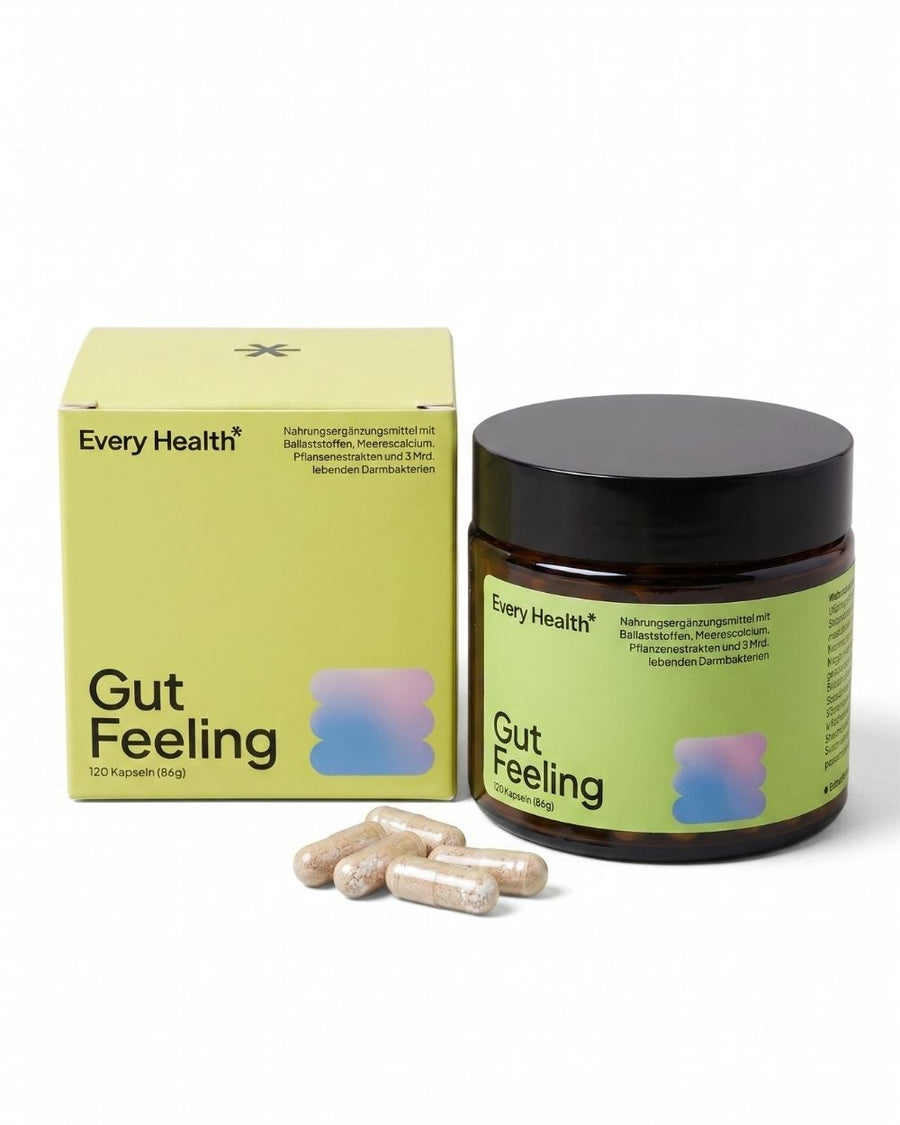
Your gut often makes itself heard too, because drugs, lack of sleep and days of irregular eating throw digestion off pretty reliably. It takes a few days to find its rhythm again, and a steady daily routine helps more than one-off fixes along the way. That's the thinking behind Gut Feeling.
If you're still feeling low after more than a few days, get some support before it turns into something bigger.
Testing is part of it
More partners over more hours means more contacts and more opportunities for something to be passed on. On top of that, condoms tend to get used less consistently once drugs are involved.
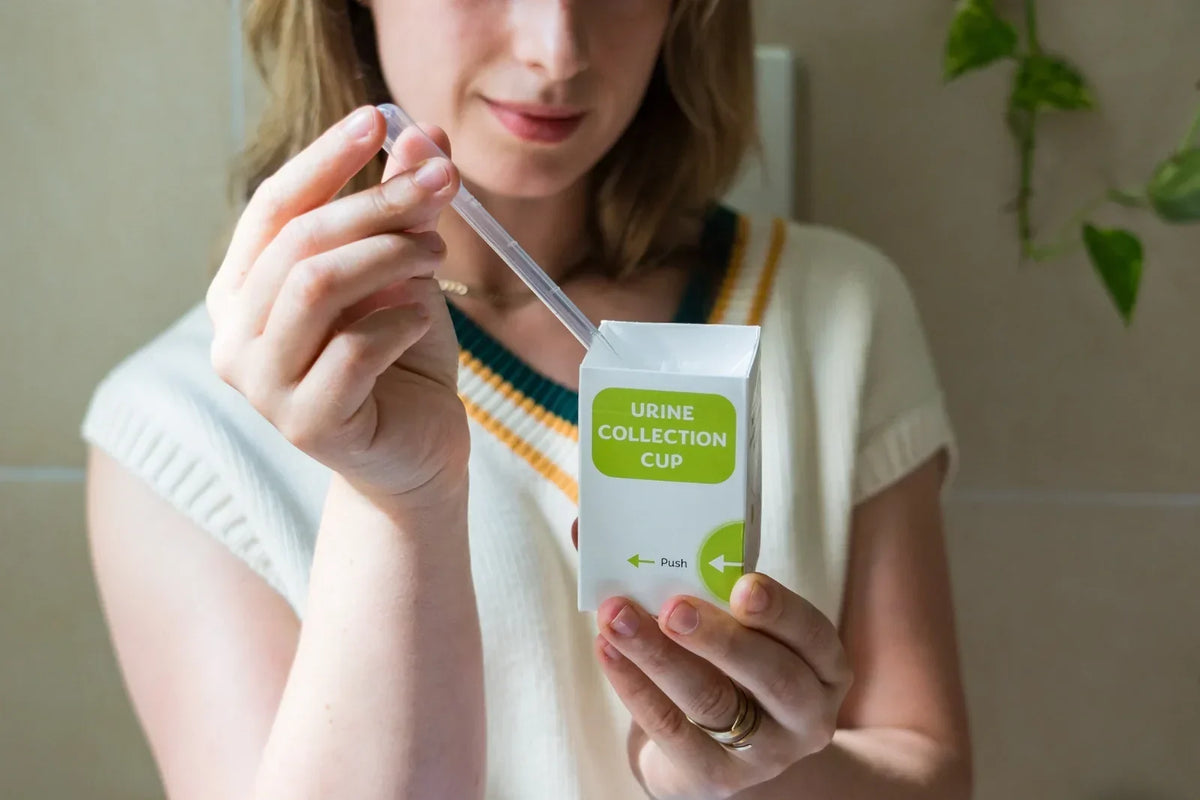
So test regularly rather than waiting until you notice something, because a large share of infections runs its course entirely unnoticed. If chemsex is a regular thing for you, test more often than average, and test everywhere you have sex. Reality Check covers the relevant pathogens and works from home.
It's worth sorting out where you stand on HIV protection as well. PrEP is the most effective option where exposure is higher, and in Germany it's covered by statutory health insurance if you meet the criteria. If you're living with HIV and taking your treatment reliably, your viral load is undetectable and HIV can't be passed on.
Hepatitis C is worth keeping an eye on particularly where injecting or shared equipment come into it, as it's usually very treatable these days, provided it gets found at all. And where bacterial STIs are concerned, antibiotic PEP can be an option for people with higher exposure. It's prescription-only, it doesn't replace testing and a clinician reviews it beforehand.
When a conversation is worth having
There's no line at which use officially becomes a problem, and the question can't really be answered with an amount or a frequency anyway. There are signs, though, that make it worth talking to someone:
- Sex without drugs feels boring or barely imaginable
- Sessions get longer or more frequent without you planning it
- You're using outside sexual contexts too
- Appointments, work or relationships are suffering
- You do things you regret afterwards
- You want to cut down and can't
Recognising yourself in several of those says nothing about you as a person, it just helps you work out where you currently stand. In Germany there are services specialising in exactly this, working anonymously if you prefer and without judging you. Deutsche Aidshilfe can point you to somewhere near you, and in Berlin the Schwulenberatung is a good first port of call. Getting in touch with them doesn't automatically mean giving up chemsex either, as it mostly starts with getting more of a say over it.
What's in your hands
None of this becomes risk-free, because there's no such thing where drugs are involved. What you can shape is quite a lot: you know which combinations turn critical, you know what to do if someone goes unconscious, you've got someone nearby and your own kit with you, you test regularly and you've worked out beforehand where your limit sits. That's a good deal more than most people take into a night like that.
And if something does happen: 112, immediately and without hesitating.